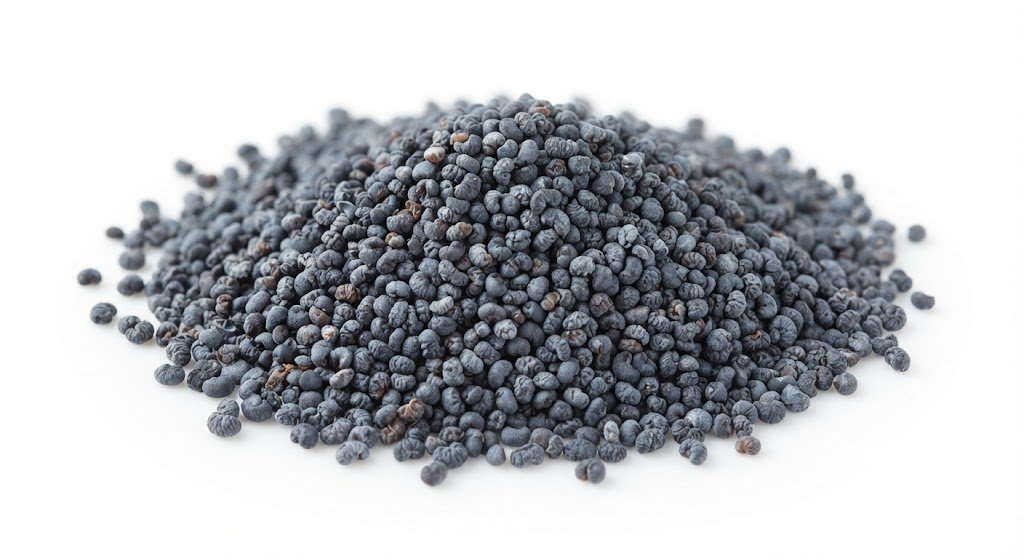

Poppy seeds boast a loyal following among functional nutritionists, bakers, and culinary enthusiasts. This remarkable oilseed packs powerful minerals, healthy fats, and plant-based compounds into every serving. Furthermore, research supports its health benefits far beyond typical bakery expectations.
Let us examine what this plant achieves for bone strength, digestive support, and cardiovascular health. In addition, we will cover areas where science needs human trials and how to consume poppy seeds safely.
What Is a Poppy Seed?
Poppy seeds (Papaver somniferum), widely celebrated as tiny, kidney-shaped blue-gray or white seeds, are the edible oilseeds harvested from the seed capsules of the opium poppy plant. They are native to the Mediterranean region. Consequently, this beloved food has served traditional European, Middle Eastern, and South Asian cuisines for millennia. Their hard seed coats and rich inner kernels house active phytochemicals.
A single serving of raw or toasted seeds delivers concentrated micronutrients, healthy unsaturated fats, and targeted minerals rather than heavy carbohydrates. Active plant compounds like calcium, magnesium, manganese, dietary fiber, and diverse polyphenols drive its therapeutic activity and nutritional properties.
How Poppy Seeds Support Health and Disease Prevention
Poppy Seeds for Bone Strength and Mineral Density
Skeletal integrity and structural longevity rely heavily on adequate dietary minerals and supportive structural cofactors.
-
The Mechanism: High concentrations of essential minerals like calcium, phosphorus, and copper work synergistically to help maintain bone matrix density and strength.
-
The Research: Nutritional evaluations demonstrate that incorporating mineral-dense oilseeds into balanced diets supports skeletal health and long-term bone wellness.
Digestive Support and Gastrointestinal Regularity
Optimal gastrointestinal function relies heavily on dietary fiber and supportive plant compounds that encourage regular motility.
-
The Mechanism: Insoluble and soluble fiber fractions help add bulk to stool and support smooth, comfortable passage through the digestive tract.
-
The Research: Gastrointestinal science shows that consistent dietary intake of fibrous seeds significantly supports comfortable digestion and overall bowel regularity.
Cardiovascular Health and Lipid Support
Heart wellness and circulatory efficiency rely heavily on maintaining healthy blood lipid profiles and supporting vascular resilience.
-
The Mechanism: Abundant monounsaturated and polyunsaturated fats, combined with plant sterols, help support healthy cholesterol levels and protect heart function.
-
The Research: Cardiovascular evaluations indicate that regular dietary inclusion of nutrient-dense oilseeds promotes healthy lipid balance and systemic circulation.
Nervous System Support and Relaxation
Neurological balance and calm mood depend heavily on adequate dietary magnesium and supportive trace minerals.
-
The Mechanism: Concentrated magnesium acts as a natural cofactor to help regulate neurotransmitter activity and relax smooth muscle tissues.
-
The Research: Biochemical assessments confirm that consuming mineral-rich seeds supports overall nervous system function and relaxation responses.
How to Add Poppy Seeds to Your Diet
The therapeutic oilseed is versatile, functioning as a rich, nutty culinary addition to diverse everyday dishes:
-
Baked into lemon poppy seed muffins: Blend whole seeds into healthy breakfast loaves or pastries for a delightful, nutty crunch.
-
Stirred into yogurt bowls: Scatter raw seeds across morning yogurt or chia puddings to boost mineral and fiber density.
-
Ground into traditional gravies: Use crushed or ground seeds as a rich, thickening base for traditional sauces and curry dishes.
-
Start moderately: Begin with standard culinary portions of poppy seeds to allow your digestive system to adapt comfortably to their rich fiber content.
Safety Considerations for Poppy Seeds
The nutritious oilseed is remarkably safe for most individuals in culinary amounts. However, specific physiological factors require attention:
-
Opiate Residue Awareness: Raw, unwashed poppy seeds can sometimes carry trace amounts of naturally occurring opium alkaloids from the plant capsule; thorough washing and food processing significantly reduce these levels.
-
Drug Testing Considerations: Consuming foods containing unwashed poppy seeds may occasionally yield false-positive results on standard opiate drug screenings.
-
Gastrointestinal Sensitivity: Because these seeds are rich in dietary fiber and tough outer walls, consuming excessive quantities at once may cause mild digestive discomfort.
-
Sourcing and Storage: Always choose high-quality culinary seeds stored in airtight containers away from heat and light to preserve their delicate natural oils.
The Bottom Line
The fascinating oilseed backs up its rich culinary reputation with a solid nutritional and research base. Specifically, this wonderful food shines regarding bone strength, digestive support, and mineral delivery. Therefore, distinguishing between proper culinary use and understanding personal dietary needs remains the biggest variable in enjoying poppy seeds safely.
Done right, poppy seeds make a protective, therapeutic, and delicious addition to a broader wellness lifestyle. They offer no standalone miracle cure. Yet, poppy seeds remain one of the most mineral-dense and versatile seeds in the natural world.