
Barley boasts a loyal following among functional nutritionists, whole-grain bakers, and culinary enthusiasts. This remarkable ancient cereal grain packs soluble beta-glucan fiber, essential minerals, and antioxidant plant compounds into every serving. Furthermore, research supports its health benefits far beyond standard grain expectations.
Let us examine what this food achieves for cholesterol regulation, blood sugar balance, and digestive health. In addition, we will cover areas where science needs human trials and how to consume barley safely.
What Is Barley?
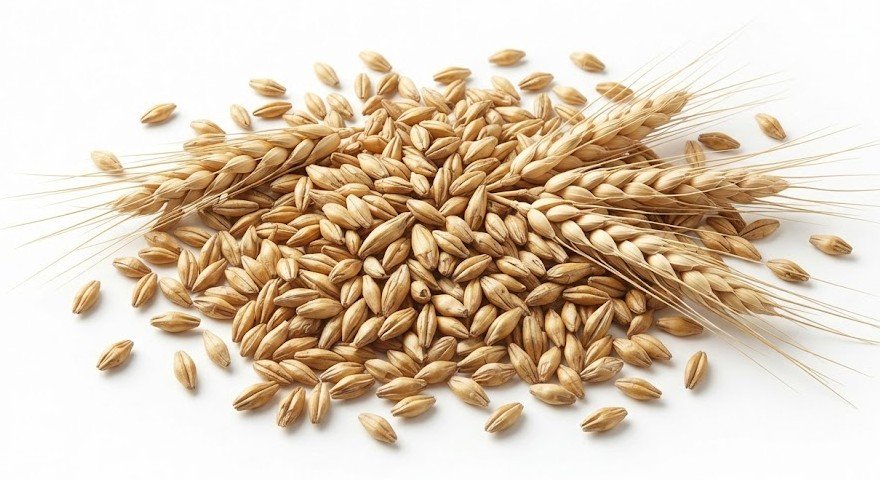
Barley (Hordeum vulgare), widely celebrated as chewy, nutrient-dense whole grain kernels, is the edible cereal grain harvested from a hardy annual grass belonging to the Poaceae family. It is native to Eurasia and the Near East. Consequently, this beloved foundational crop has served traditional Middle Eastern, European, and Asian agricultural and healing systems for over ten thousand years. Their dense outer bran layers and starchy endosperm house active phytochemicals.
A single serving of whole or hulless barley delivers concentrated complex carbohydrates, dietary fiber, and targeted micronutrients rather than empty calories. Active plant compounds like beta-glucan soluble fiber, tocotrienols, selenium, and diverse phenolic acids drive its therapeutic activity and nutritional properties.
How Barley Supports Health and Disease Prevention
Barley for Cholesterol Regulation and Cardiovascular Health
Optimal heart health and circulatory efficiency rely heavily on dietary fibers that bind fats and support healthy blood lipid profiles.
-
The Mechanism: Concentrated beta-glucan soluble fiber forms a viscous gel in the digestive tract, helping bind bile acids and reduce systemic cholesterol absorption.
-
The Research: Cardiovascular science shows that consistent dietary intake of barley beta-glucan significantly supports healthy LDL cholesterol levels and overall heart function.
Blood Sugar Balance and Metabolic Support
Systemic metabolic efficiency relies heavily on complex carbohydrates that digest slowly and prevent sharp postprandial glucose spikes.
-
The Mechanism: High viscous fiber content slows gastric emptying and moderates carbohydrate absorption, promoting stable insulin sensitivity.
-
The Research: Metabolic studies indicate that incorporating whole-grain barley into balanced diets supports healthy blood sugar regulation and long-term metabolic wellness.
Digestive Health and Microbiome Support
Optimal gastrointestinal function relies heavily on prebiotic fibers that nourish beneficial gut bacteria and promote regularity.
-
The Mechanism: Fermentable fibers act as prebiotics in the colon, fueling the production of short-chain fatty acids that nourish colonocytes and enhance gut barrier integrity.
-
The Research: Gastrointestinal evaluations demonstrate that regular consumption of fiber-rich whole grains supports comfortable digestion and overall bowel motility.
Antioxidant Defense and Cellular Protection
Systemic defense against oxidative stress depends heavily on polyphenol-rich plant compounds and essential trace minerals.
-
The Mechanism: Selenium, phenolic acids, and vitamin E derivatives work synergistically to help scavenge free radicals and protect cellular structures from damage.
-
The Research: Biochemical assessments confirm that consuming nutrient-dense whole grains provides robust cellular protection and supports systemic inflammatory balance.
How to Add Barley to Your Diet
The therapeutic whole grain is versatile, functioning as a hearty, chewy culinary addition to diverse everyday dishes:
-
Stirred into hearty soups: Add hulled or pearl barley to vegetable and beef stews for a satisfying, nutrient-dense chew.
-
Cooked as a grain bowl base: Use cooked whole barley as a healthy, fiber-rich alternative to white rice or couscous.
-
Tossed into chilled salads: Combine tender, cooked barley with roasted vegetables, fresh herbs, and a bright vinaigrette.
-
Choose hulled over pearled: Opt for hulled barley when possible, as it retains the nutritious outer bran layer, though pearl barley cooks faster and remains a healthy choice.
Safety Considerations for Barley
The nutrient-dense grain is remarkably safe for most individuals. However, specific physiological factors require attention:
-
Gluten and Celiac Disease: Because barley contains gluten proteins, individuals with celiac disease or non-celiac gluten sensitivity must strictly avoid it.
-
Digestive Adaptation: Because whole barley is exceptionally rich in dietary fiber, introducing large quantities too quickly may cause temporary gas, bloating, or abdominal discomfort.
-
Hydration Needs: When increasing whole-grain fiber intake, drinking adequate water is essential to support smooth digestive transit and prevent mild blockages.
-
Sourcing and Storage: Always store dry barley in airtight containers in a cool, dark place to protect its natural oils and prevent spoilage.
The Bottom Line
The fascinating ancient grain backs up its foundational culinary reputation with a solid modern research base. Specifically, this wonderful food shines regarding cholesterol regulation, blood sugar balance, and digestive health. Therefore, managing gluten restrictions and understanding personal fiber needs remains the biggest variable in enjoying barley safely.
Done right, barley makes a protective, therapeutic, and delicious addition to a broader wellness lifestyle. It offers no standalone miracle cure. Yet, barley remains one of the most fiber-dense and heart-healthy grains in the natural world.