
Purple sweet potato boasts a loyal following among culinary chefs, functional nutritionists, and longevity researchers alike. This remarkable root vegetable packs powerful anthocyanins, complex carbohydrates, and antioxidant compounds into every serving. Research supports its health benefits far beyond typical starchy-vegetable hype.
Let us examine what this plant genuinely achieves for metabolic support, systemic antioxidant defense, and gut microbiome wellness. Furthermore, we will cover areas where science needs more human trials and how to consume it safely.
What Is Purple Sweet Potato?
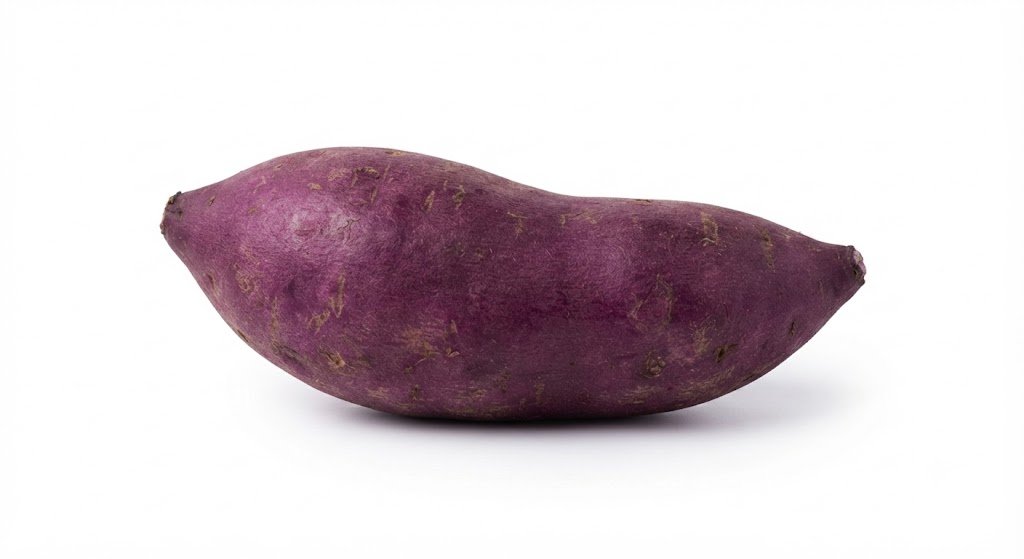
Purple sweet potato (Ipomoea batatas), also known as the Okinawan sweet potato or purple yam (though botanically distinct from true yams), is a tuberous perennial root vegetable belonging to the morning glory family (Convolvulaceae). It is native to Central and South America. Consequently, it has served traditional indigenous diets and Asian longevity hotspots for centuries. Its vibrant violet flesh and rugged brown skin house the active phytochemicals.
A single serving of the cooked tuber delivers concentrated complex carbohydrates, dietary fiber, and polyphenols rather than empty calories. Active plant compounds like cyanidin and pelargonidin-based anthocyanins drive its distinct therapeutic activity and antioxidant properties.
How Purple Sweet Potato Supports Health and Disease Prevention
Powerful Antioxidant Defense and Anthocyanins
This stands as one of the plant’s most famous benefits, particularly regarding cellular protection and free-radical neutralization.
-
The Mechanism: Exceptional concentrations of water-soluble anthocyanin pigments give the flesh its deep violet color while aggressively scavenging harmful reactive oxygen species across tissues.
-
The Research: Nutritional evaluations demonstrate that regular consumption of anthocyanin-rich purple tubers significantly reduces systemic oxidative stress markers and protects cellular structures from damage.
Metabolic Health and Blood Sugar Regulation
Glucose management and insulin sensitivity rely heavily on slow-digesting starches and bioactive compounds.
-
The Mechanism: Unique storage proteins, viscous dietary fiber, and high concentrations of resistant starch slow gastric emptying and moderate glycemic responses.
-
The Research: Clinical trials indicate that consuming purple sweet potato extracts improves insulin sensitivity, supports healthy blood lipid profiles, and aids in metabolic regulation.
Gut Microbiome Support and Digestive Wellness
Gastrointestinal health and regularity rely heavily on prebiotic fibers and fermentable carbohydrates.
-
The Mechanism: Rich amounts of resistant starch and soluble fiber pass through the upper digestive tract to nourish beneficial colon bacteria.
-
The Research: Gastrointestinal studies show that fermentation of these starches produces short-chain fatty acids, which strengthen the intestinal barrier and promote optimal digestive function.
Cardiovascular Health and Blood Vessel Function
Heart wellness and circulatory efficiency rely heavily on maintaining arterial elasticity and mitigating systemic inflammation.
-
The Mechanism: Bioactive anthocyanins, potassium, and antioxidant polyphenols work synergistically. Specifically, they help regulate blood pressure, support healthy endothelial function, and protect vascular walls from oxidative stress.
-
The Research: Nutritional science shows that regular intake of polyphenol-dense tubers supports long-term cardiovascular health and helps maintain optimal systemic circulation.
How to Add Purple Sweet Potato to Your Diet
The therapeutic tuber is versatile, functioning as a sweet, colorful culinary addition to diverse home-cooked dishes:
-
Baked or roasted whole: Pierce whole tubers with a fork and roast them at moderate temperatures until tender to naturally caramelize the rich starches.
-
Mashed as a vibrant side dish: Steam or bake chunks and mash them with a touch of olive oil and cinnamon for a nutrient-dense, visually striking side.
-
Sliced into crispy baked fries: Cut the roots into wedges, toss them lightly in avocado oil, and bake until crisp for a healthy alternative to traditional fries.
-
Start moderately: Begin with standard culinary portions to allow your digestive system to adapt comfortably to the rich starch and fiber content.
Safety Considerations for Purple Sweet Potato
The tuber is remarkably safe for most individuals. However, specific physiological factors require attention:
-
Carbohydrate and Calorie Awareness: Because they provide dense complex carbohydrates, individuals managing strict ketogenic diets or severe insulin resistance should monitor portion sizes.
-
Oxalate Content Warnings: Because the tubers contain modest levels of naturally occurring oxalates, individuals with a history of severe kidney stones should consume them in moderation.
-
Gastrointestinal Adjustment: The rich fiber and resistant starch content can cause mild digestive warmth or gas in individuals unaccustomed to starchy root vegetables.
-
Sourcing and Storage: Always store whole tubers in a cool, dark, and well-ventilated space to prevent sprouting and maintain optimal nutritional integrity.
The Bottom Line
The vibrant violet tuber backs up its culinary reputation with a solid research base. Specifically, it shines regarding systemic antioxidant defense, metabolic support, and gut microbiome wellness. Distinguishing between proper daily portioning and understanding personal carbohydrate needs remains the biggest variable in enjoying it safely.
Done right, it makes a protective, therapeutic, and colorful addition to a broader wellness lifestyle. It offers no standalone miracle cure. Yet, it remains one of the most antioxidant-dense and nutrient-rich root vegetables in the natural world.